






The Tactical Battle on Green Clay
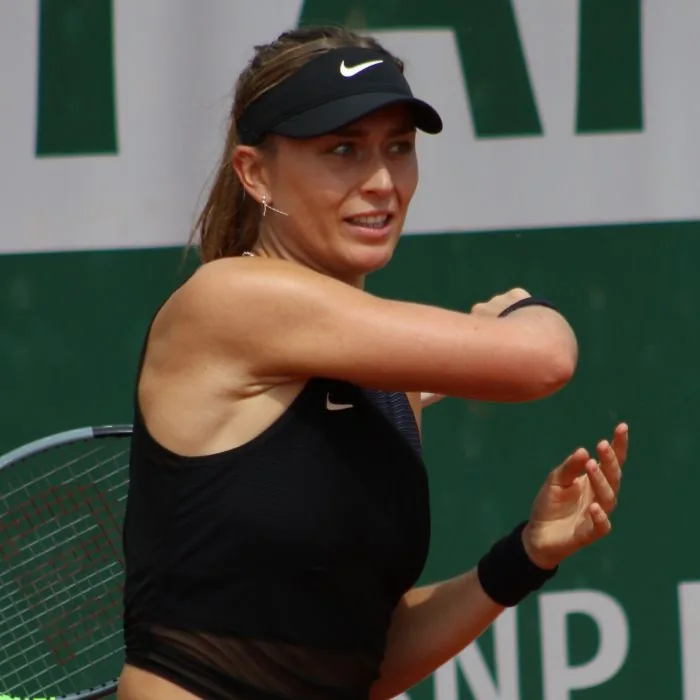
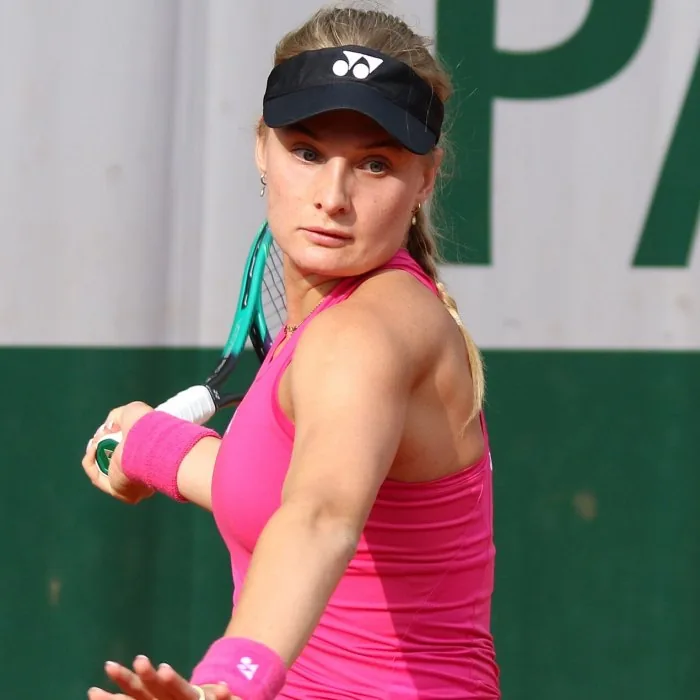
As the WTA tour shifts to the unique green clay of Charleston, the matchup between Jessica Pegula and Yulia Starodubsteva presents a classic contrast in career trajectories. Pegula, a mainstay in the world’s top 10, enters as the clear technical favorite. Her game is built on relentless depth and an ability to take the ball early, which often suffocates opponents who rely on rhythm. Starodubsteva, while less experienced at this elite level, has shown significant growth over the past year, moving from the ITF circuit into the main draws of major tournaments.
Read more Dominic Stricker vs. Rafael Izquierdo Luque: Power Gap and Experience to Define the Outcome
The surface in Charleston—Har-Tru green clay—plays faster than the traditional European red clay. This specific condition heavily favors Pegula’s flatter groundstrokes. Historically, Pegula has excelled in North American conditions, reaching the semifinals or better in Charleston in previous seasons. Her ability to transition from defense to offense on this surface is among the best in the league. In contrast, Starodubsteva’s recent form shows a high ceiling but also a tendency for unforced errors when forced into long, lateral rallies—a staple of Pegula’s strategy.
Why Pegula Holds the Edge
The primary factor separating these two is consistency under pressure. Pegula’s return of serve remains her most lethal weapon; she consistently ranks in the top percentile for return games won. Against a player like Starodubsteva, who can occasionally struggle with second-serve reliability, Pegula is likely to generate frequent break-point opportunities. Furthermore, Pegula’s match fitness is rarely in question, whereas Starodubsteva has occasionally shown fatigue during deep tournament runs or high-intensity three-setters.
What could Starodubsteva bring to the table? The Ukrainian possesses a powerful forehand and a “nothing to lose” mentality that can be dangerous in the opening games. If she can maintain a high first-serve percentage and keep the points short, she might frustrate the American. However, Pegula’s tactical IQ usually allows her to solve these puzzles within the first few games, adjusting her positioning to neutralize raw power.
Read more Basilashvili vs. Garin: Tactical Stability vs. High-Risk Power on Clay
Current market indicators reflect this gap in experience and ranking. The probability of a Pegula victory is estimated at 76.7% with a coefficient of 1.25, while Starodubsteva stands at 23.3% with a 3.7 coefficient, marking her as a significant underdog.
Key Factors and Uncertainties
- Surface Adaptation: How quickly Starodubsteva adjusts her footwork to the slippery nature of green clay compared to hard courts.
- First Serve Percentage: If Pegula’s first serve is clicking, she rarely gives up break opportunities, making a comeback nearly impossible for the underdog.
- Mental Resilience: Starodubsteva is still acclimating to large stadium atmospheres; an early break for Pegula could see the match slip away quickly.
The main uncertainty lies in Pegula’s recent schedule. If she is coming off a deep run in a previous tournament, fatigue could play a minor role, though her professional conditioning usually mitigates this risk. A sudden change in wind conditions—common in Charleston—could also temporarily disrupt Pegula’s flat hitting, giving Starodubsteva a window to dictate play with more topspin.
Prediction: 2–0 in favor of Jessica Pegula
Pegula’s ability to absorb pace and redirect it will likely prove too much for Starodubsteva. While the Ukrainian might keep the score competitive in the first set through sheer aggression, Pegula’s superior return game and defensive consistency should allow her to pull away. Expect a scoreline like 6-3, 6-2, as Pegula’s experience in high-pressure WTA 500 moments typically prevents the “upset” scenario against players outside the elite tier.
Read more Mariano Navone vs. Daniel Merida: Experience Gap on Clay to Define the Outcome
Sources: