






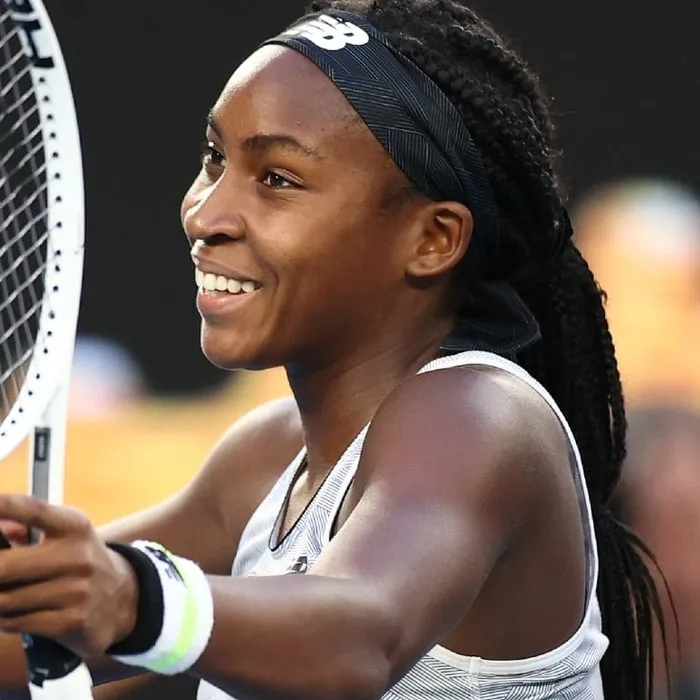
Match Analysis: Coco Gauff vs. Karolina Muchova
The upcoming clash at the Miami Open brings together two of the most tactically distinct players on the WTA Tour. Coco Gauff enters this matchup with a psychological and statistical edge, having historically neutralized Karolina Muchova’s creative all-court game with elite movement and defensive resilience. As the tour moves into the heat of the Florida hard courts, the physical demands of the surface favor the younger, more durable American.
Read more Jesper de Jong’s Experience Meets Edas Butvilas’s Ambition in Zadar Challenger Clash
Key performance indicators and historical data highlight several critical factors for this encounter:
- Head-to-Head Dominance: Coco Gauff leads the career series 3-0, with all victories occurring on hard courts. Notably, Gauff won their most recent high-stakes final in Beijing (2024) in a convincing 6-1, 6-3 fashion.
- Surface Proficiency: Gauff’s win percentage on outdoor hard courts remains above 70% over the last two seasons. Her ability to slide and recover on the Laykold surface in Miami mirrors her success at the US Open.
- Physical Conditioning: While Muchova possesses a top-tier technical arsenal, her recent seasons have been interrupted by wrist and back injuries. In contrast, Gauff has maintained one of the highest “matches played” counts on tour without significant layoffs.
Why Gauff Holds the Advantage
Gauff is positioned as the favorite primarily because of her “matchup nightmare” qualities against aggressive variety players. Muchova relies on changing pace with slices and frequent net approaches to disrupt rhythm. However, Gauff’s exceptional foot speed allows her to reach Muchova’s drop shots and angled volleys, often turning defensive positions into offensive passing shots. Statistically, Gauff’s return of serve has become a major weapon; she consistently puts pressure on opponents’ second serves, an area where Muchova can occasionally struggle under duress.
The Case for Muchova
Karolina Muchova’s path to victory lies in her ability to shorten points. If she can maintain a first-serve percentage above 65% and successfully use her backhand slice to keep the ball low—denying Gauff the high strike zone she prefers for her backhand—the Czech could force a deciding set. Muchova’s variety is objectively superior, but it requires pinpoint precision. The primary reason this remains a secondary argument is that Gauff’s defensive coverage forces Muchova to go for “lines,” leading to a higher unforced error count as the match progresses into longer rallies.
Read more Grass Court Pedigree: Why Skupski and Harrison Hold the Edge in London
Current market indicators show a very tight margin between the two athletes. Gauff is observed with a coefficient of 1.91, while Muchova stands at 1.9. These figures suggest an expectation of a highly competitive match despite the historical head-to-head record.
Key Factors and Uncertainties
Several variables could shift the momentum during the match:
- Humidity and Conditions: Miami’s heavy air can slow down the ball, which generally aids Gauff’s defensive style but may exhaust Muchova faster during extended baseline exchanges.
- Gauff’s Serve Consistency: The American’s double-fault count is often the only opening for her opponents. If her serve percentage dips below 50%, Muchova will have the look-ins she needs to break.
- Tactical Adjustments: Muchova must find a way to finish points at the net more effectively than in their previous three meetings, where Gauff’s passing shots dominated the highlights.
Score Prediction: 2–0 in favor of Coco Gauff
The prediction for a straight-sets victory is based on the historical pattern of their matchups. Muchova has struggled to find a “Plan B” once Gauff begins tracking down her best shots. While Muchova may keep the sets close, perhaps reaching a tiebreak, Gauff’s superior fitness and 3-0 confidence lead against this specific opponent suggest she will close the match without dropping a set.
Read more Francisco Cerundolo vs. Alexander Zverev: Tactical Edge Favors the Argentine in Miami
Sources: