





Can Zverev Maintain His Psychological Edge in the Miami Heat?
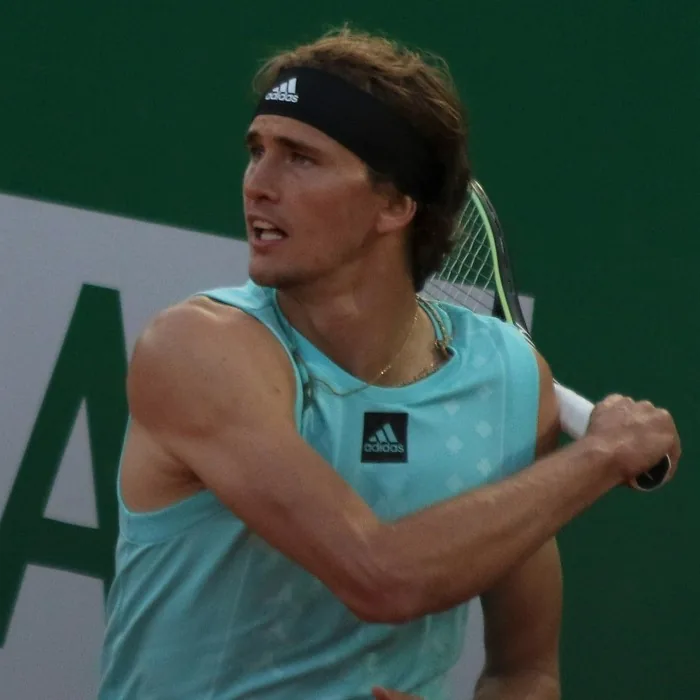
The upcoming clash between Alexander Zverev and Jannik Sinner at the Miami Open presents a fascinating contrast between raw momentum and historical dominance. While the world rankings often point toward Sinner as the man to beat in modern tennis, the specific dynamics of this matchup suggest that Zverev remains one of the most difficult puzzles for the Italian to solve. This encounter on the slow hard courts of Florida will test whether Sinner has truly moved past the tactical hurdles Zverev has historically placed in his path.
Read more Experience vs. Surface Specialization: Carreno Busta’s Hard-Court Edge Against Martinez
Several verifiable factors explain why Zverev enters this contest with a distinct analytical advantage:
- Head-to-Head Dominance: Alexander Zverev leads the career head-to-head against Jannik Sinner 4-2. Crucially, Zverev has won their most significant hard-court battles, including a grueling five-set victory at the 2023 US Open that lasted nearly five hours.
- Surface Suitability: The Laykold surface in Miami is notoriously slower than the courts in Melbourne or Cincinnati. These conditions favor Zverev’s defensive capabilities and high-topspin forehand, allowing him more time to set up his shots compared to faster venues where Sinner’s flat hitting is more lethal.
- Physical Resilience in Humidity: Zverev has a proven track record of outlasting opponents in high-humidity environments. His ability to maintain serve speeds above 130 mph even in the third hour of play has been a deciding factor in previous meetings with Sinner.
Why is Zverev considered the favorite in this tactical breakdown? It comes down to his ability to neutralize Sinner’s pace. Sinner thrives on rhythm, but Zverev’s deep court positioning and exceptional lateral movement force the Italian to hit “one extra ball” constantly. In their past encounters, this has led to an accumulation of unforced errors from Sinner’s side as he tries to paint the lines to bypass the German’s reach. Furthermore, Zverev’s backhand remains one of the few shots on tour that can go cross-court with Sinner’s backhand without losing ground.
Naturally, Jannik Sinner brings a formidable case to the court. His 2024-2025 form has been historic, characterized by improved variety and a much more reliable second serve. However, these improvements are often mitigated by Zverev’s return game; Zverev stands deep, negating the kick-serve that Sinner has recently developed. While Sinner is the more aggressive player, the heavy conditions in Miami often reward the steadier, more defensive-oriented approach that Zverev masters.
Read more Andrea Lazaro Garcia vs. Tena Lukas: Baseline Consistency Favors the Spaniard in Dubrovnik
Current market indicators show Sinner with a coefficient of 1.12, while Zverev stands at 6.4. These figures suggest a significant lean toward the Italian in terms of general expectations, though the tactical history suggests a much tighter contest than the numbers imply.
The outcome remains sensitive to a few key triggers. If the wind picks up, Zverev’s high ball toss could become a liability, handing Sinner free points on return. Conversely, if the match goes into a third set during the evening humidity, the physical advantage shifts heavily toward the German. The primary uncertainty lies in Sinner’s tactical adjustments—specifically whether he will use the drop shot more frequently to pull Zverev away from the baseline.
Prediction: 2–1 in favor of Alexander Zverev
This scoreline reflects the likely pattern of the match: Sinner starting strong with high intensity to take the first set, followed by Zverev’s superior physical conditioning and defensive consistency wearing Sinner down in the latter stages. Zverev’s ability to win the “marathon” points in Miami’s demanding climate should see him edge out the deciding set.
Read more Wendelken’s Service Dominance Faces Shimizu’s Home Court Advantage in Yokkaichi
Sources: