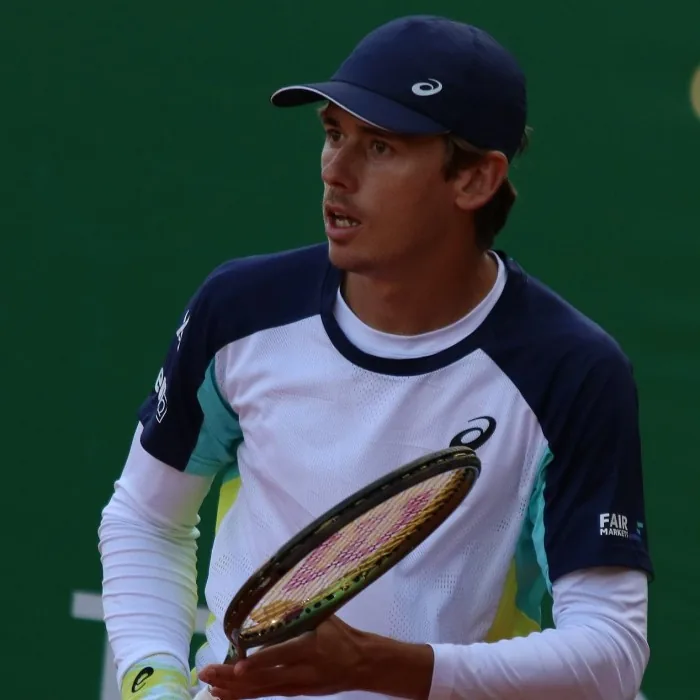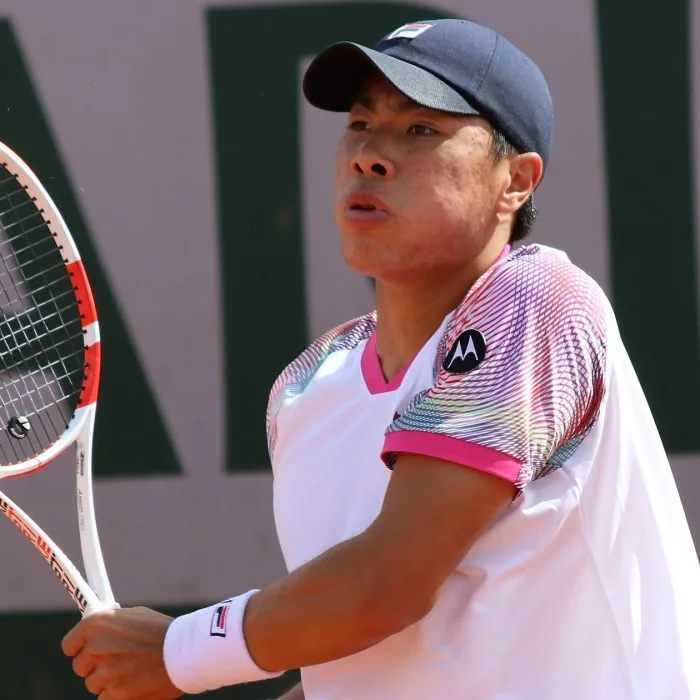






Tactical Breakdown: Sergio Callejon Hernando vs. Andrew Paulson
The upcoming clash between Sergio Callejon Hernando and Andrew Paulson presents a classic stylistic battle on the ITF circuit. While the rankings might suggest a clear gap, the specific conditions of the match—likely slow clay—shift the tactical advantage toward the young Spaniard. Callejon Hernando, a product of the rigorous Spanish clay-court school, brings a high-topspin game that thrives in extended rallies, whereas Paulson relies on a more aggressive, flat-hitting approach that can struggle with consistency on slower surfaces.
Read more Daniel Merida vs. Adrian Mannarino: Can the Spanish Qualifier Exploit Mannarino’s Recent Slump?
Sergio Callejon Hernando enters this matchup as the favored side primarily due to his recent rhythm on the dirt. Over his last five matches in the Spanish ITF circuit, the 20-year-old has demonstrated exceptional defensive coverage and an ability to force opponents into “one more shot.” His statistics show a high percentage of points won on second-serve returns, a critical metric on clay where the serve is less of a weapon. Playing in familiar territory provides him with a psychological edge and a better grasp of the environmental factors, such as humidity and court speed, which often frustrate non-specialists.
What makes Callejon Hernando particularly dangerous right now? It is his physical conditioning. He has avoided the grueling travel schedules of the ATP Challenger Tour recently, focusing instead on building momentum in regional M15 and M25 events. This lack of fatigue allows him to maintain high intensity from the first point to the last, a factor that often decides matches at this level of professional tennis.
Andrew Paulson, however, is no pushover. The Czech player possesses a significantly higher career-high ranking and more experience in high-pressure Challenger-level matches. His primary weapons are a powerful first serve and a punishing forehand. Why is he considered the underdog in this specific context? Paulson’s game is built for speed. On clay, his flat groundstrokes lose their penetration, allowing a defender like Callejon Hernando to reset the point. Furthermore, Paulson has shown vulnerability in matches that exceed the two-hour mark, where his unforced error count tends to spike as his footwork slows down.
Read more Shelton’s Power vs. Tirante’s Grit: Analyzing the Houston Clay Court Clash
Current indicators show Callejon Hernando with a coefficient of 2.11 and a calculated probability of 0.0%. These figures serve as a secondary indicator of the competitive landscape, reflecting the nuanced expectations for this encounter.
Several factors could still swing the outcome. The primary uncertainty lies in the weather; if the conditions are dry and fast, Paulson’s serve becomes much harder to neutralize. Key triggers to watch during the match include Callejon Hernando’s break point conversion rate and whether Paulson can keep his first-serve percentage above 65%. If the Spaniard manages to drag the first set beyond 50 minutes, the physical toll will likely favor him for the remainder of the contest.
Prediction: 2–1 in favor of Callejon Hernando, Sergio
The match is expected to be a grueling affair. Paulson’s raw power should allow him to claim a set, likely the first, while he is still fresh. However, Callejon Hernando’s superior movement and clay-court craftiness will likely wear the Czech down, leading to a comeback victory in three sets as the Spaniard’s consistency prevails in the decider.
Read more Badosa’s Clay Court Mastery Faces Kalinskaya’s Aggressive Rise in Charleston
Sources: