



Head-to-Head
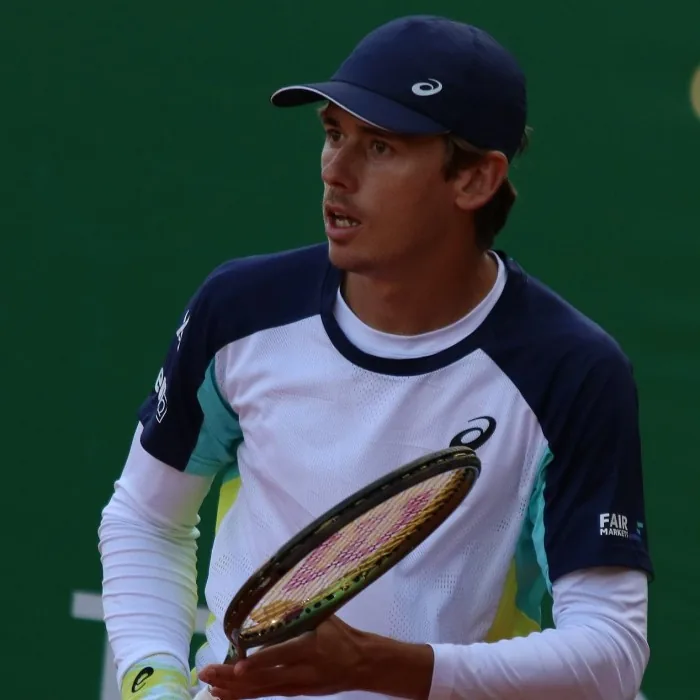
The history between Joao Fonseca and Gabriel Diallo is brief but telling. Their most significant encounter took place very recently during the Davis Cup Group Stage in Bologna. In that match, the Canadian giant Gabriel Diallo utilized his massive serve to neutralize Fonseca’s aggressive baseline game, securing a 6-4, 7-5 victory. That contest highlighted a clash of styles: Diallo’s “first-strike” tennis versus Fonseca’s rhythmic, heavy-hitting approach from the back of the court.
While Diallo leads the head-to-head 1-0, the dynamics are shifting. Fonseca, only 18 years old, has shown a remarkable ability to adapt to opponents in short order. In their previous meeting, the Brazilian struggled to find a read on Diallo’s delivery in the first set but grew increasingly competitive as the match progressed, nearly forcing a tiebreak in the second. This rapid learning curve suggests that a second meeting could yield a very different tactical battle.
Form Guide
Joao Fonseca enters this matchup as one of the most talked-about teenagers on the ATP tour. Currently ranked inside the top 160, he has spent the last few months transitioning from the Challenger circuit to high-pressure international stages. His recent performances in the Davis Cup showed resilience; despite the loss to Diallo, he pushed world-class opponents and demonstrated that his forehand remains a world-class weapon capable of dictating play against anyone in the top 100.
Gabriel Diallo is enjoying the best stretch of his professional career. The 6’8″ Canadian made headlines at the 2024 US Open, where he successfully navigated the qualifying rounds to reach the third round of the main draw, eventually falling to Tommy Paul. However, such a heavy workload—playing high-intensity matches in New York followed immediately by a flight to Europe for indoor hard-court duties—often leads to a physical and mental “hangover.” Diallo’s game relies heavily on explosive power, which is the first thing to diminish when fatigue sets in.
Key Factors
The primary tactical trigger for this match will be Fonseca’s return positioning. In their last meeting, Diallo won a high percentage of points behind his first serve. If Fonseca chooses to stand deeper to neutralize the pace, he can force Diallo into longer rallies where the Brazilian holds a clear edge in lateral movement and shot-making variety. Diallo is less comfortable when forced to hit more than three or four balls in a row, especially on the backhand wing.
Another critical factor is the court surface. While indoor hard courts generally favor big servers like Diallo, they also provide a consistent bounce that benefits a clean ball-striker like Fonseca. If the Brazilian can maintain a high first-serve percentage of his own, he will prevent Diallo from teeing off on second-serve returns. Motivation also plays a role; Fonseca is hungry to prove his Davis Cup loss was a fluke, while Diallo may be struggling to maintain the peak intensity he found in Flushing Meadows.
Our Verdict
This match is a classic confrontation between a rising star with a high ceiling and a powerful veteran of the Challenger-to-ATP transition. While the odds of 1.12 heavily favor Fonseca, the reality on the court will likely be more competitive than those figures suggest. However, the Brazilian’s superior movement and the likelihood of Diallo experiencing a slight dip in form after his grueling US Open run make the favorite the logical choice for the win.
Expect a tight opening set that could go to a tiebreak, but as the match wears on, Fonseca’s superior fitness and baseline consistency should allow him to pull away. Diallo’s serve will keep him in the contest, but Fonseca’s ability to create angles and exploit Diallo’s movement will be the deciding factor. We anticipate a 2-1 victory for Joao Fonseca, with the Brazilian securing a crucial break late in the third set to seal the win.
Sources: