





Hard-Court Consistency vs. Defensive Variety
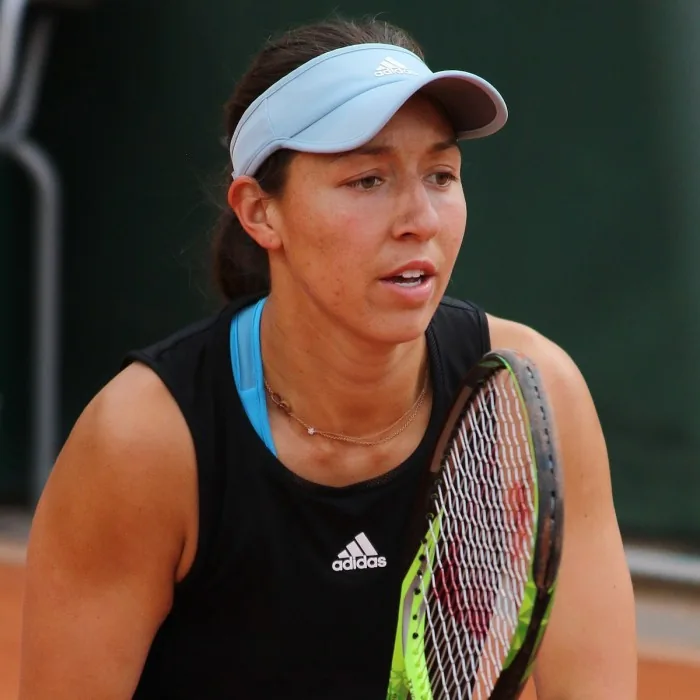
The upcoming clash between Jessica Pegula and Yulia Putintseva highlights a fascinating contrast in styles. Pegula, a mainstay in the top tier of the WTA rankings, brings a methodical, high-paced baseline game that thrives on the North American hard courts. Putintseva, conversely, relies on her exceptional court coverage and ability to disrupt her opponent’s rhythm with variety and drop shots. While Putintseva has enjoyed a resurgence in 2024, the physical demands of facing a top-10 opponent on a fast surface present a significant challenge.
Read more Yu Hsiou Hsu’s Hard-Court Efficiency vs. Omar Jasika’s Tactical Variety in Miyazaki
Several key factors define the current outlook for this match:
- Head-to-Head Record: Jessica Pegula leads their direct encounters 1-0, having secured a convincing 6-3, 6-3 victory at the WTA 1000 in Toronto. That match was played on a similar hard-court surface, where Pegula’s flat groundstrokes effectively neutralized Putintseva’s defensive lobs.
- Surface Proficiency: Pegula is widely regarded as one of the most effective hard-court players on tour. Her ability to take the ball early and redirect pace is perfectly suited for these conditions. Putintseva has improved her results on faster surfaces recently, but her career win percentage remains highest on clay.
- Recent Form: Putintseva made headlines recently by upsetting world number one Iga Swiatek at Wimbledon, proving she can compete with the elite. However, maintaining that level over multiple sets against a player as disciplined as Pegula is a different task. Pegula has shown steady form since returning from a mid-season injury, recently capturing a title in Berlin.
Why Pegula Holds the Advantage
The primary reason Pegula enters this match as the heavy favorite is her reliability. She rarely beats herself, forcing opponents to hit through her—a difficult task for Putintseva, who lacks a massive knockout punch. Pegula’s first serve is significantly more impactful, allowing her to hold serve with less effort than Putintseva, who often finds herself embroiled in long, grueling service games. In their previous meeting, Pegula’s return of serve was the deciding factor, as she consistently pressured Putintseva’s second serve.
Putintseva’s path to victory involves making the match “ugly.” If she can use her slice and drop shots to move Pegula forward and backward rather than side-to-side, she might create frustration. However, Pegula’s footwork and high tennis IQ usually allow her to read these changes in pace effectively. Putintseva’s emotional volatility can also be a factor; if Pegula starts strong, the match could slip away quickly from the Kazakh player.
Current market indicators reflect this disparity, with Pegula positioned at odds of 1.15, suggesting a very high implied probability of victory compared to her opponent.
Read more Wendelken’s Tactical Maturity Faces Shick’s Aggressive Transition in Miyazaki
Key Triggers and Uncertainties
What could shift the momentum? First, the weather conditions—extreme heat or humidity could favor Putintseva’s superior fitness in long rallies. Second, Pegula’s health; any lingering issues from her earlier season break could open a window for an upset. Finally, the speed of the court will be crucial. A slower hard court gives Putintseva more time to track down balls, while a faster court plays directly into Pegula’s aggressive timing.
Score Prediction: 2–0 in favor of Jessica Pegula
Pegula’s ability to maintain a high intensity from the baseline should be too much for Putintseva to handle over two sets. While Putintseva may keep the score close in the opening stages by using her variety, Pegula’s superior serve and return game are expected to lead to a straight-sets victory, likely with a scoreline such as 6-4, 6-2.
Read more Experience vs. Youth: Liam Broady Set to Test Hayato Matsuoka in Miyazaki
Sources: