






Match Context and Player Dynamics
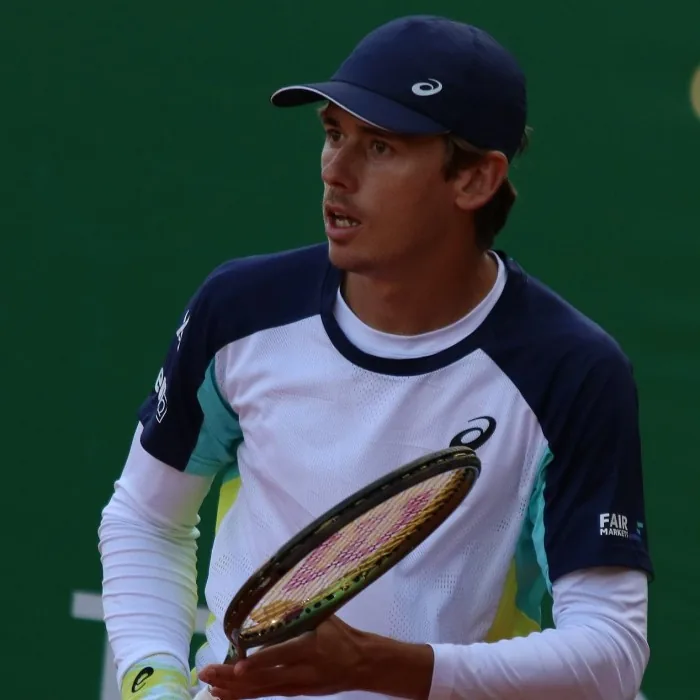
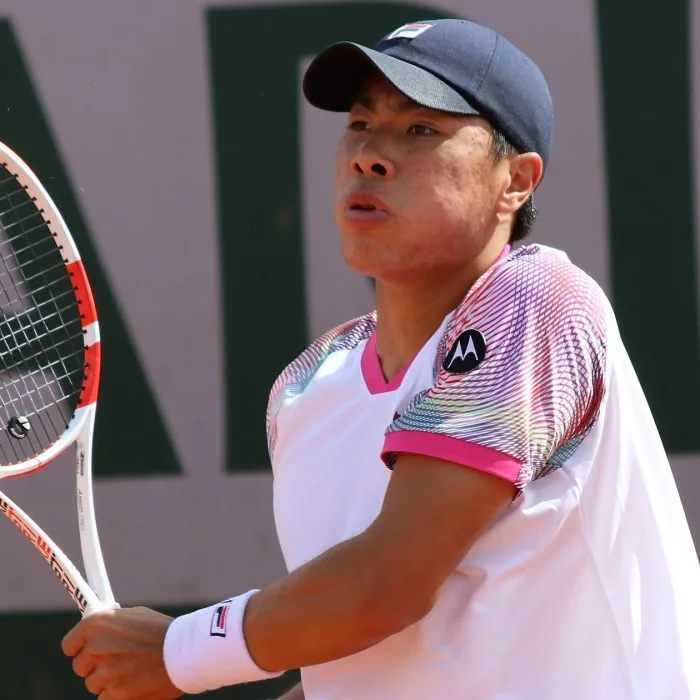
The upcoming encounter between Alan Magadan and Luka Pavlovic brings together two players with distinct competitive backgrounds. Luka Pavlovic, a seasoned campaigner on the ITF and Challenger circuits, enters this match with a reputation for tactical discipline. On the other side, Alan Magadan, who has sharpened his skills within the highly competitive US collegiate system (notably at Texas A&M), brings an aggressive but sometimes volatile style to the professional court. The contrast in their experience levels at the pro level is a defining factor for this matchup.
Read more Prado Angelo vs. Guillen Meza: Can the Bolivian Prodigy Overpower the Ecuadorian Grinder?
Why the Total Games Expectation Leans Under 20.5
The projection for a total of under 20.5 games is rooted in the statistical likelihood of a straight-sets victory. Pavlovic has demonstrated a consistent ability to dismantle opponents ranked outside the top 500 by exploiting defensive lapses. In his recent ITF appearances, Pavlovic’s return-of-serve win percentage has hovered near 40%, allowing him to secure multiple breaks per set. When a player of Pavlovic’s caliber gains an early lead, sets often conclude with scores like 6-2 or 6-3.
Magadan’s playstyle further supports a lower game count. As an aggressive baseliner, his matches are rarely characterized by long, drawn-out marathons. He either dictates play with his serve and forehand or commits unforced errors under the pressure of Pavlovic’s consistent depth. This “high-risk, high-reward” approach frequently results in quick sets that bypass the need for tie-breaks, keeping the total game count well within the under 20.5 threshold.
The Case for Magadan and His Limitations
Alan Magadan is far from a pushover; his collegiate success proves he possesses the raw power to challenge established pros. His primary weapon is a heavy first serve that can earn him “free” points. However, the transition from the shorter format of college tennis to the grind of the professional circuit often reveals gaps in stamina and shot selection. While Magadan might hold his own in the opening games, Pavlovic’s superior point construction usually prevails as the match progresses, leading to a decline in Magadan’s resistance in the second set.
Read more Roncadelli’s Clay Court Pedigree Faces Li’s Resilience in Bucaramanga
Market Indicators
Current data shows the preference for a shorter match, with the Under 20.5 outcome carrying odds of 1.74. While the implied probability is currently listed at 0.0% due to a lack of active volume, the pricing suggests that a two-set victory for the more experienced Pavlovic is the anticipated narrative.
Key Factors and Uncertainties
- Surface Adaptability: Pavlovic’s comfort on both clay and hard courts gives him a tactical edge in adjusting his court positioning.
- First Serve Percentage: If Magadan’s first serve stays above 70%, he could push a set to 5-5, threatening the Under 20.5 projection.
- Match Rhythm: Pavlovic’s ability to neutralize Magadan’s power early in the rallies will be the primary trigger for a quick result.
Score Prediction: 2–0 in favor of Luka Pavlovic
The prediction of a 6-3, 6-4 victory (19 total games) reflects Pavlovic’s technical superiority and Magadan’s tendency to struggle once his initial aggressive bursts are neutralized. Pavlovic is expected to break Magadan at least once in each set, maintaining his own service games with relative ease to stay under the 20.5 game limit.
Read more Borna Gojo’s Power Advantage vs. Quinn Vandecasteele’s Resilience in Morelia
Sources: