



Tactical Analysis: Why the Surface Dictates the Advantage
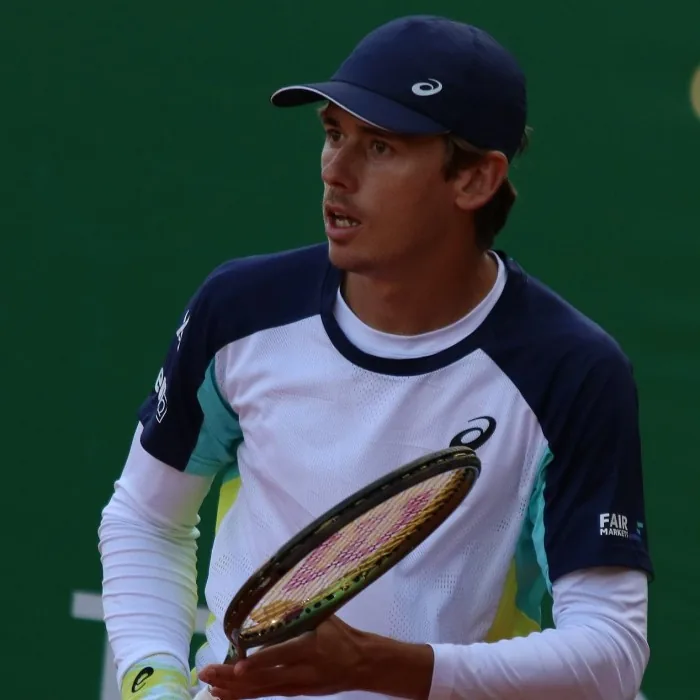
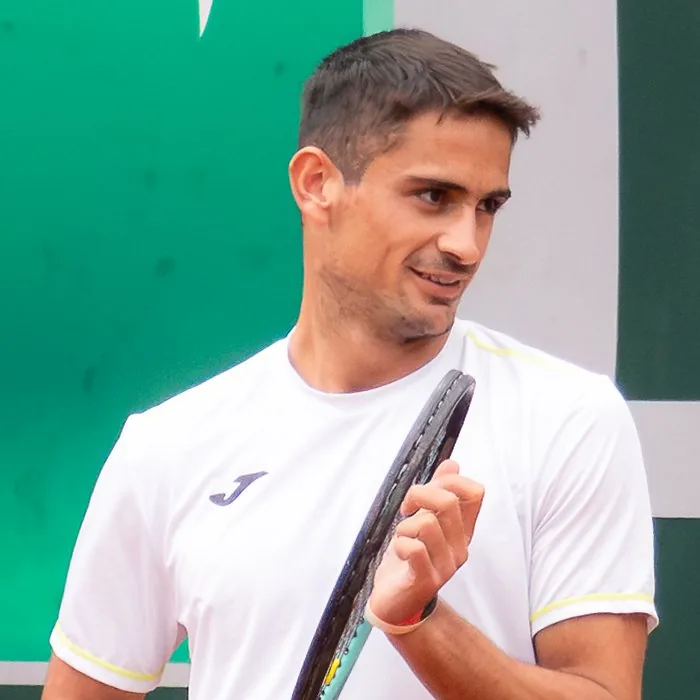
The upcoming encounter between Mariano Navone and Christopher O’Connell highlights a classic clash of styles, where the playing surface acts as the primary decider. Navone has rapidly ascended the ATP rankings this season, primarily through his relentless consistency on red clay. His recent performance in the Golden Swing, including a breakthrough run to the final of the ATP 500 in Rio de Janeiro, underscores his comfort in long, grueling rallies. In contrast, O’Connell is a player who thrives on faster surfaces where his flat groundstrokes and one-handed backhand can penetrate the court more effectively.
Read more Experience vs. Momentum: Shuai Zhang’s Tactical Edge Against Yulia Starodubtseva in Charleston
The statistical reality favors the Argentine specialist. Navone has secured over 15 wins on clay already this year, demonstrating a high win percentage when matches turn into physical battles. O’Connell, while possessing a more versatile game and a stronger serve, often struggles with the high-bouncing topspin that clay specialists like Navone employ. In their most recent head-to-head meeting on this surface, Navone dismantled the Australian in straight sets, losing only five games in the process.
Key Factors and Navone’s Dominance
Why is Navone the clear frontrunner? It comes down to defensive coverage and point construction. Navone’s ability to slide into his shots and reset the point with deep moonballs or heavy topspin forehands forces O’Connell into uncomfortable hitting zones. On clay, O’Connell’s serve—usually a major weapon—loses its “bite,” allowing Navone to get more returns in play and initiate the baseline grind where he excels.
O’Connell does have paths to victory, though they are narrow. If he can maintain a first-serve percentage above 70% and use his slice to keep the ball low, he might disrupt Navone’s rhythm. However, the Australian’s one-handed backhand is a known liability when targeted with high, heavy topspin, a tactic Navone uses with surgical precision. The physical toll of a three-set match on clay also favors the younger, more specialized Argentine.
Read more Etcheverry’s Clay-Court Pedigree Set to Test Gomez’s ATP Ambitions in Houston
Current market indicators reflect this disparity, with Navone positioned at odds of 1.29, suggesting a high implied probability of victory. These figures align with the technical mismatch presented by the slow court conditions.
Uncertainties and Shift Triggers
Despite the clear lean toward Navone, two factors could alter the trajectory of the match. First, weather conditions: a hot, dry day would make the court play faster and the ball bounce higher, which might actually help O’Connell’s aggressive style. Second, Navone’s fatigue levels; having played a high volume of matches recently, any sign of physical decline could open the door for the experienced Australian to capitalize on shorter points.
Final Score Prediction: 2–0 in favor of Mariano Navone
The justification for a straight-sets victory lies in the tactical matchup. Navone’s defensive skills are currently at a level where O’Connell lacks the consistent firepower to hit through him on a slow surface. Expect Navone to break serve early in both sets, utilizing his superior movement to frustrate O’Connell into unforced errors. A 6-3, 6-4 scoreline is the most probable outcome given their recent form on this surface.
Read more Basavareddy’s Tactical Precision vs. Draxl’s Grit: Previewing the Houston Clay Court Battle
Sources: