


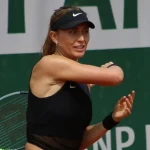
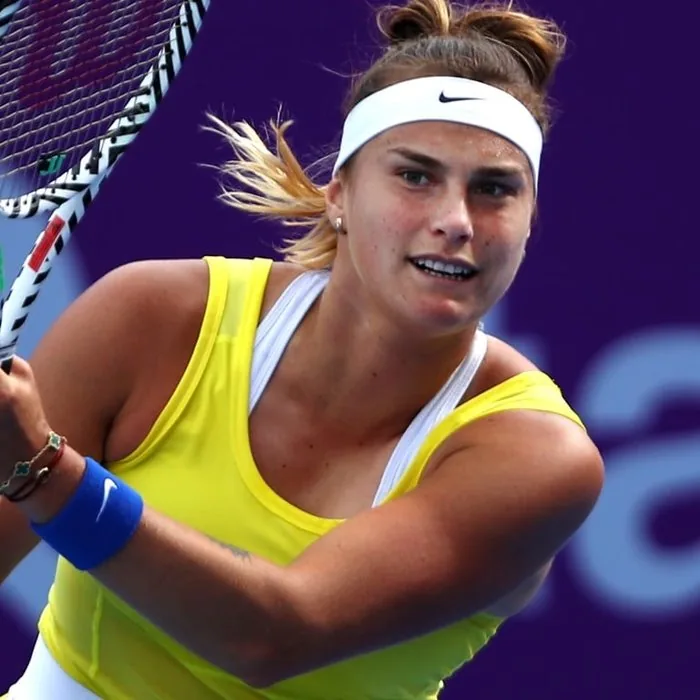
The upcoming clash between Aryna Sabalenka and Elena Rybakina in Miami represents the pinnacle of modern power tennis. This rivalry has defined major finals over the last two seasons, characterized by high-velocity serves and aggressive baseline exchanges. As they prepare to meet on the slower, humid hard courts of Florida, the tactical nuances of their game styles will be the deciding factor.
Read more Experience and Power: Why Boulais and Niklas-Salminen Hold the Edge Over Added and Tajima
Current Form and Surface Analysis
Aryna Sabalenka enters this matchup as the slight favorite, largely due to her overwhelming consistency on hard courts over the past 18 months. Having secured back-to-back Australian Open titles and the 2024 US Open, her confidence on this surface is unmatched. Sabalenka has significantly reduced her double-fault count, turning her serve into a reliable weapon rather than a liability. In her last five matches, she has maintained a first-serve win percentage of over 75%, a metric that puts immense pressure on opponents from the first point.
Elena Rybakina, while formidable, has had a more turbulent path. Despite her elite ball-striking, her season has been occasionally interrupted by health issues. However, Miami is a place where she thrives; she reached the finals here in both 2023 and 2024. The “gritty” nature of the Miami Laykold surface rewards her flat, penetrating groundstrokes, though the high humidity can test her physical endurance in extended rallies.
Why Sabalenka Holds the Edge
The primary reason for Sabalenka’s favoritism is her superior movement and defensive transition. While both players are aggressive, Sabalenka has developed the ability to slide and defend on hard courts, extending points that Rybakina expects to end quickly. Statistically, Sabalenka leads their head-to-head record (9-3 as of late 2024), winning most of their recent high-stakes encounters. Her ability to absorb Rybakina’s pace and redirect it with heavy topspin often forces the Kazakh player into unforced errors during long baseline duels.
The Case for Rybakina
Rybakina’s path to victory lies in her clinical serving. She remains one of the few players capable of out-acing Sabalenka. If Rybakina can maintain a first-serve percentage above 65%, she can dictate play and keep the points short, neutralizing Sabalenka’s physical advantages. However, this strategy is fragile; if her serve percentage dips, Sabalenka’s aggressive second-serve returns usually take control of the match.
Read more Rio Noguchi’s Tactical Consistency Faces Li Tu’s Power in Hard Court Clash
Market Indicators
Current projections place Sabalenka as the frontrunner with odds of 1.75, implying a higher probability of victory. Rybakina stands at 2.1, reflecting her status as a dangerous underdog who has the tools to win but lacks the recent statistical consistency of her opponent.
Key Factors and Match Triggers
- Second Serve Points Won: Sabalenka’s second serve is significantly heavier. If Rybakina cannot punish it, she will struggle to break.
- Humidity and Fatigue: Miami’s conditions are grueling. Sabalenka’s superior physical conditioning often gives her the edge if the match enters a third set.
- The “Down-the-Line” Backhand: Rybakina needs this shot to work perfectly to pull Sabalenka out of her comfort zone in the cross-court exchanges.
What remains uncertain is the immediate physical state of both players following the early rounds of the tournament. A slow start from Sabalenka could allow Rybakina to run away with the first set, a scenario that has happened in several of their previous meetings.
Score Prediction: 2–1 in favor of Aryna Sabalenka
Expect a high-quality battle that goes the distance. While Rybakina’s serve is likely to earn her a set, Sabalenka’s physical resilience and superior record in deciding sets on hard courts make her the likely winner. The slower Miami conditions slightly favor Sabalenka’s ability to track down balls and force Rybakina into one extra shot.
Read more Jiri Lehecka vs. Arthur Fils: Tactical Maturity Faces Explosive Youth in Miami
Sources: