






Hard Court Dynamics: Why Tommy Paul Holds the Edge
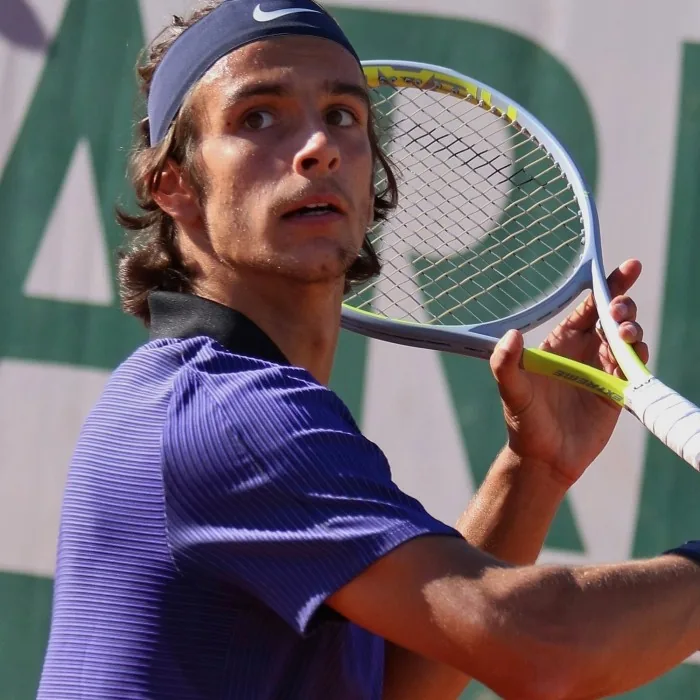
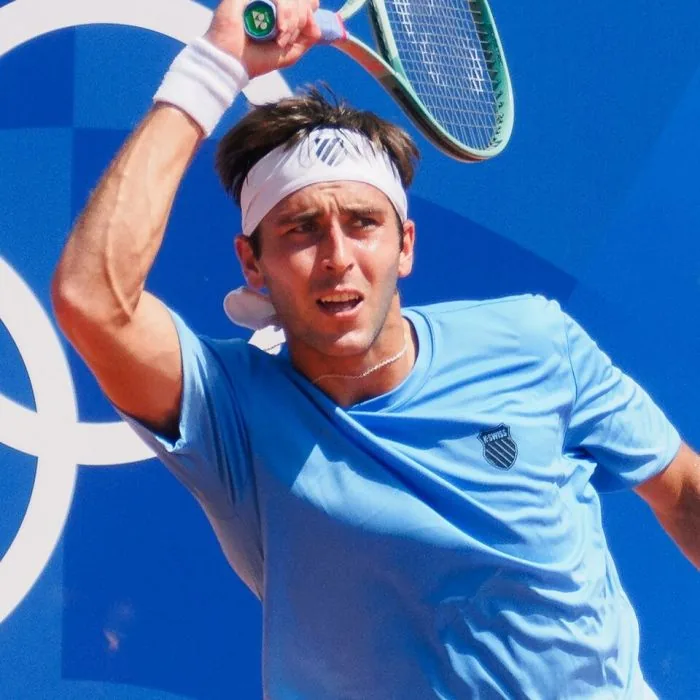
The upcoming clash at the Miami Open features a fascinating contrast in styles between the seasoned American Tommy Paul and the rising French star Arthur Fils. Paul enters this matchup as a specialist on North American hard courts, a surface where his flat groundstrokes and exceptional lateral movement are most effective. His recent deep runs in Masters 1000 events, including a semi-final appearance at Indian Wells, underscore his ability to maintain high intensity throughout grueling baseline exchanges.
Read more Sebastian Korda’s Tactical Maturity Faces Martin Landaluce’s Power in Miami
Arthur Fils, while possessing a higher ceiling in terms of raw power, often struggles with the tactical consistency required to break down a defender of Paul’s caliber. Paul’s return of serve is a critical factor here; he currently ranks among the top players for points won on second-serve returns. In the humid conditions of Miami, where the ball can become heavy, Paul’s ability to take the ball early and redirect pace will likely frustrate the younger Frenchman, who prefers more time to set up his aggressive forehand.
The Case for Arthur Fils and Its Limitations
Fils is not without weapons. His victory at the ATP 500 in Tokyo demonstrated that he can dominate on fast surfaces when his first-serve percentage remains above 65%. He possesses a heavy topspin forehand that can push opponents behind the baseline. However, his tendency to commit unforced errors under pressure remains a significant liability. Against a counter-puncher like Paul, who excels at making opponents play “one more ball,” Fils often finds himself over-hitting, leading to momentum shifts that are difficult to reverse in a best-of-three format.
Current market indicators show Tommy Paul with a coefficient of 2.09, while Arthur Fils stands at 1.75. These figures reflect a closely contested matchup where the technical gap is narrow, yet the stylistic advantage leans toward the more experienced player.
Read more Rybakina’s Power vs. Gibson’s Momentum: Analyzing the Australian Open Opening Round
Key Factors and Match Triggers
- First Serve Efficiency: If Paul maintains a high first-serve percentage, he can dictate play and avoid the explosive return winners Fils is known for.
- Humidity and Endurance: Miami’s climate tests physical conditioning. Paul’s superior fitness in long rallies often gives him the upper hand in third-set deciders.
- Unforced Error Count: The match will likely be decided by Fils’ discipline. If he fails to hit through Paul’s defense within the first five shots of a rally, the advantage shifts heavily to the American.
What remains uncertain is the speed of the court this year. A faster surface would slightly favor Fils’ serve, while a slower, grittier court plays directly into Paul’s defensive strengths. Any signs of fatigue from Paul following previous tournament rounds could also narrow the gap.
Final Score Prediction: 2–1 in favor of Tommy Paul
Paul is expected to secure the win through tactical persistence. While Fils has the firepower to snatch a set—likely the first or second through sheer aggression—Paul’s ability to adjust his positioning and exploit the Frenchman’s backhand wing should see him prevail in a deciding set. Paul’s experience in managing the “big points” in front of a home crowd will be the final deciding factor.
Read more Pegula’s Clinical Dominance Meets Cristian’s Clay Defenses: Analyzing the Under 19.5 Projection
Sources: