






Experience vs. Potential: The Hard Court Clash in Miami
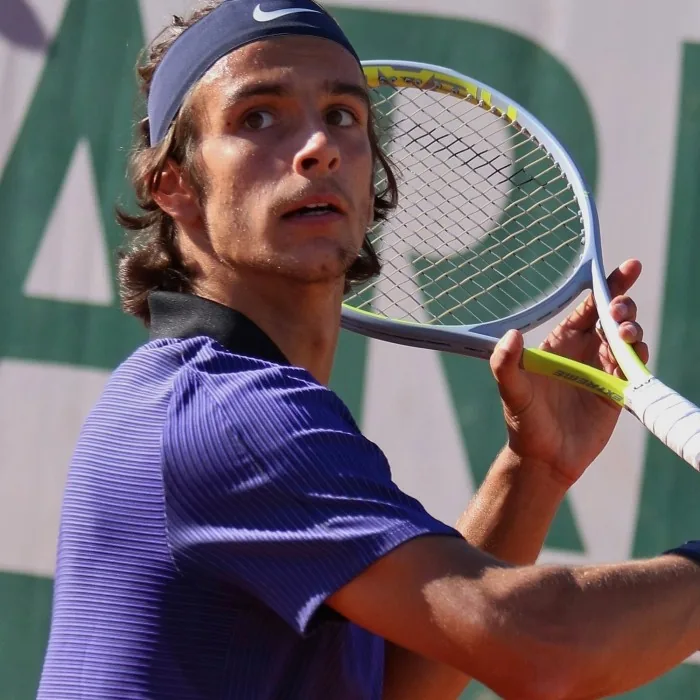
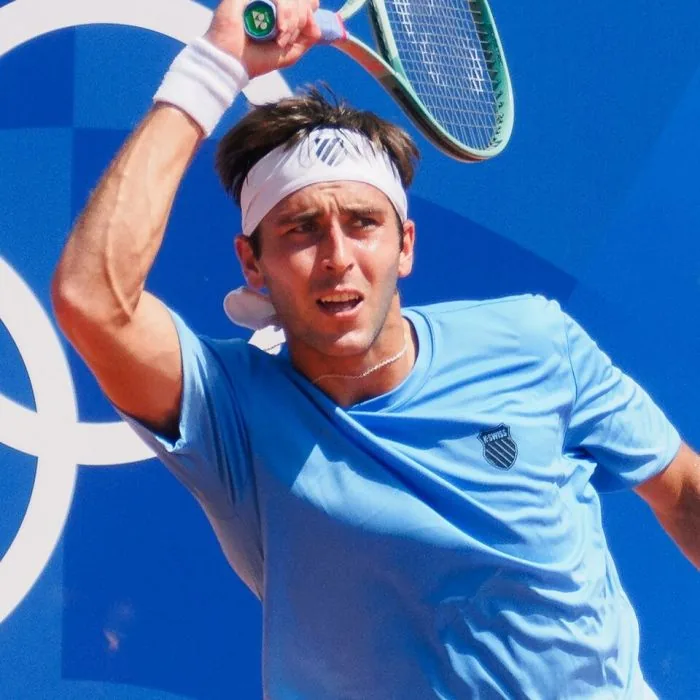
As the ATP circuit moves to the humid hard courts of the Miami Open, the matchup between Sebastian Korda and Martin Landaluce presents a classic confrontation between an established top-tier technician and a rapidly rising prospect. Korda, who has long been touted as a future Grand Slam contender, enters this match with the advantage of having navigated the pressure of Masters 1000 deep runs multiple times. His game is built on clean ball-striking and a rhythmic serve that thrives in the North American conditions.
Read more Rybakina’s Power vs. Gibson’s Momentum: Analyzing the Australian Open Opening Round
Martin Landaluce, the former Junior US Open champion, represents the next wave of Spanish talent. While he possesses significant baseline power and the typical Spanish grit in defensive rallies, the transition to the senior ATP level requires a level of consistency he is still refining. The primary challenge for Landaluce will be handling Korda’s ability to take the ball early and redirect pace, a tactic that often leaves younger players out of position.
Key Analytical Factors:
- Surface Proficiency: Korda’s flat groundstrokes are particularly effective on the medium-speed courts of Miami. He historically performs well in North America, where the bounce is predictable.
- Service Dominance: Korda maintains a high percentage of points won on his first serve (often exceeding 75%), which allows him to apply constant pressure on his opponent’s service games.
- Physicality and Fatigue: Landaluce has been grinding through the Challenger circuit and qualifying rounds. While match-tough, the physical toll of a high-intensity Masters 1000 match against a top-30 opponent is a significant step up.
Why is Korda the clear favorite? It comes down to his “Plan A” being more reliable. Korda’s backhand is one of the most stable on tour, allowing him to neutralize Landaluce’s heavy forehand. Furthermore, Korda’s experience in managing break points and tie-breaks at this level gives him a psychological edge that statistics often overlook. Landaluce’s path to victory relies on a high-risk, high-reward strategy; he must hit a high volume of winners to bypass Korda’s defensive coverage, a feat that is difficult to sustain over two or three sets.
Landaluce does have weapons. His court coverage is exceptional, and he has shown an improved ability to come to the net to finish points. If Korda has a lapse in concentration or a dip in first-serve percentage, Landaluce is aggressive enough to capitalize. However, these windows of opportunity are likely to be brief against a player of Korda’s caliber.
Read more Pegula’s Clinical Dominance Meets Cristian’s Clay Defenses: Analyzing the Under 19.5 Projection
Current market indicators reflect this disparity in experience, with Korda positioned at a coefficient of 1.24, implying a high probability of victory. Landaluce stands as the underdog at 4.1, reflecting the steep learning curve he faces in this specific matchup.
Several triggers could shift the momentum of this match. High humidity in Miami can lead to heavy balls, which might favor Landaluce’s heavier topspin if the match goes the distance. Conversely, if Korda starts the first set with a high first-serve percentage, the match could end quickly. The main uncertainty remains Landaluce’s ability to maintain his composure on a stadium court against a home-crowd favorite.
Prediction: 2–0 in favor of Sebastian Korda
Korda is expected to control the tempo from the baseline. While Landaluce has the talent to keep the games competitive and perhaps push one set to a 5-5 or 6-6 scenario, Korda’s superior return game should earn him at least one break of serve in each set. A straight-sets victory (e.g., 6-4, 6-3) is the most logical outcome given the gap in tactical maturity on hard courts.
Read more Anisimova’s Power vs. Bencic’s Tactical Return: Miami Open Analysis
Sources: