






The Clash of Styles: Denolly’s Grinding vs. Schoolkate’s Momentum
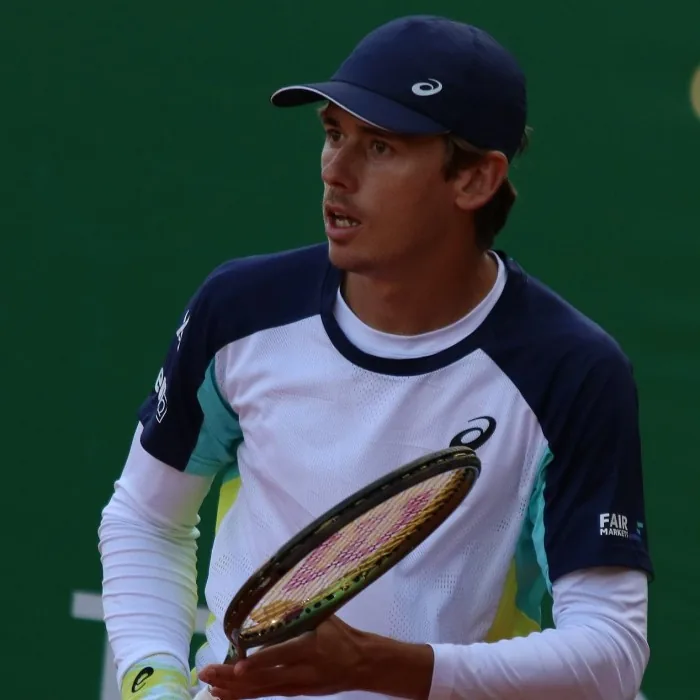
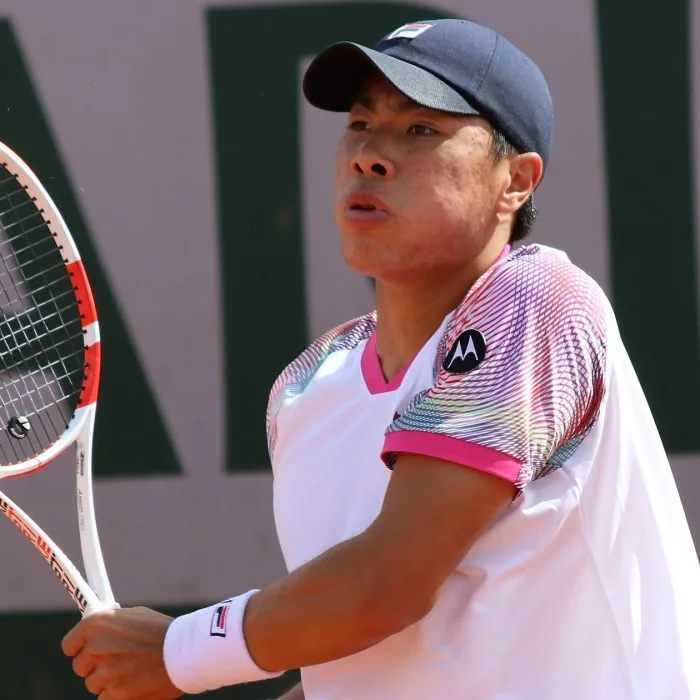
The upcoming encounter between Corentin Denolly and Tristan Schoolkate presents a fascinating contrast in tennis philosophies. Denolly, a seasoned campaigner on the ITF and Challenger circuits, brings a classic European clay-court game characterized by heavy topspin and defensive resilience. On the other side, Australia’s Tristan Schoolkate has recently surged in the rankings, fueled by a high-octane game built around a powerful serve and aggressive baseline play. While Schoolkate holds a higher ATP ranking, the specific conditions of this matchup suggest a tighter contest than the numbers might initially indicate.
Read more Ben Shelton’s Serve Dominance Faces Zhizhen Zhang’s Baseline Resilience in Houston
Several key factors define the current standing of both athletes:
- Surface Proficiency: Corentin Denolly is a dedicated clay-court specialist, having secured the vast majority of his career titles on the red dirt. His ability to slide and redirect pace is a significant asset against hard-hitters.
- Recent Form and Fatigue: Tristan Schoolkate is coming off an intense swing in Asia, including a title run at the Guangzhou Challenger in May. While this shows peak form, the physical toll of back-to-back deep runs often leads to a dip in intensity during subsequent transitions.
- Tactical Matchup: Denolly is a left-hander. His cross-court forehand naturally targets the backhand wing of a right-handed player like Schoolkate, often forcing opponents into uncomfortable defensive positions.
Why does Denolly emerge as a notable contender in this spot? The primary reason lies in his consistency. On slower surfaces, Schoolkate’s aggressive “first-strike” tennis faces a higher risk of unforced errors. Denolly excels at extending rallies, effectively turning the match into a physical battle of attrition. Statistics from Denolly’s recent outings show a high percentage of points won on his second serve, indicating he can hold his own even when not landing his primary delivery. If he can neutralize Schoolkate’s initial serve-plus-one patterns, the Frenchman’s superior movement on dirt becomes the deciding factor.
Schoolkate’s primary weakness in this context is his relative lack of variety when his power game is blunted. While he has improved his net play, he remains vulnerable to well-placed passing shots and drop shots—tools that Denolly utilizes frequently to disrupt an opponent’s rhythm. Furthermore, Schoolkate’s historical performance on slower European clay is less convincing than his results on fast hard courts, where his flat groundstrokes are more effective.
Regarding the current market indicators, the data shows a coefficient of 2.02 for Denolly (3.5), with a calculated probability currently sitting at 0.0%. These figures serve as a secondary indicator of the competitive nature of the match, reflecting a balanced outlook despite the ranking gap between the two players.
Read more Experience vs. Youth: Ferreira Silva’s Tactical Edge Over Rincon in Menorca
The outcome will likely hinge on two triggers: Schoolkate’s first-serve percentage and the length of the opening set. If Denolly can drag the first set beyond the 50-minute mark, the physical advantage will swing heavily in his favor. Conversely, a quick start from the Australian could overwhelm Denolly before he finds his defensive rhythm. However, given the surface and the tactical “lefty” advantage, the Frenchman is well-positioned to frustrate his younger opponent.
Прогноз: 2–1 in favor of Denolly, Corentin
This scoreline is anticipated because Schoolkate’s raw power and serve should allow him to claim at least one set, likely via a tiebreak or a single break of serve. However, Denolly’s superior fitness and clay-court craft are expected to prevail in a deciding third set as Schoolkate’s error count rises under pressure.
Read more Jessica Pegula vs. Yulia Putintseva: Analyzing the Hard-Court Power Gap
Sources: