






Experience Meets Potential on the Houston Clay
The upcoming matchup between Alexis Galarneau and Gabriel Debru at the U.S. Men’s Clay Court Championship offers a compelling study in contrasting career stages. While the Houston tournament is played on clay, the “Maroon” soil used in Texas plays significantly faster than the traditional red clay found in Europe. This environmental factor heavily influences the tactical approach required to succeed, favoring players who can combine baseline stability with aggressive transition play.
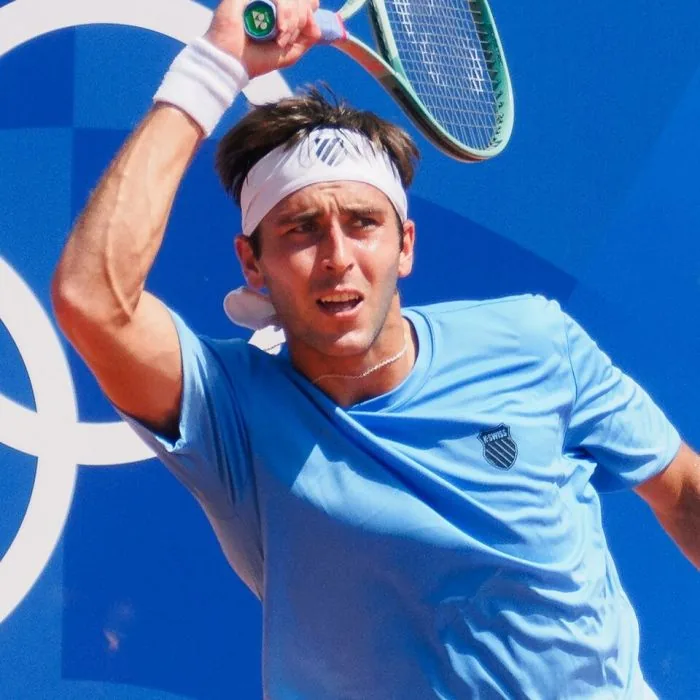
Alexis Galarneau enters this contest as the more established figure on the professional circuit. The Canadian has built a reputation for his exceptional movement and defensive resilience, qualities that have served him well in North American conditions. His ability to absorb pace and redirect it makes him a difficult opponent for younger, more aggressive players who may lack the patience to construct long points. Galarneau’s recent form shows a high level of consistency in maintaining his physical intensity across three-set matches, a crucial asset in the humid Houston climate.
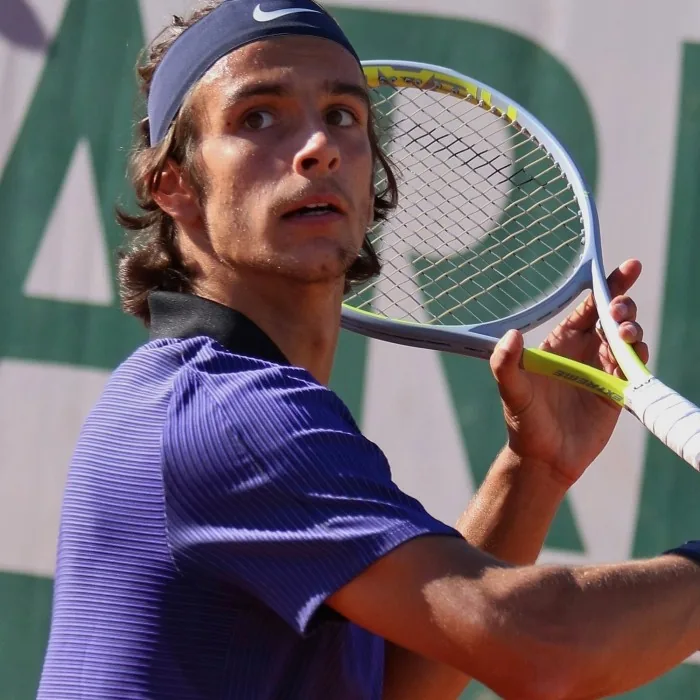
Gabriel Debru, the former Junior World No. 1 and Roland Garros junior champion, represents the next generation of French tennis. Standing tall with a powerful serve and a heavy forehand, Debru has the tools to dictate play against almost anyone. However, his transition to the senior ATP level has been marked by the typical fluctuations of a young prospect. While his ceiling is arguably higher than Galarneau’s, his unforced error count often spikes when he is forced into defensive positions, a vulnerability that experienced opponents are quick to exploit.
Key Factors and Tactical Indicators
Why is Galarneau considered the likely victor? It primarily comes down to his higher “floor” and tactical discipline. In recent months, Galarneau has demonstrated a superior return-of-serve game, winning a higher percentage of points against first serves compared to Debru. On the fast Houston clay, the ability to neutralize a big serve and force the opponent into a baseline grind is often the deciding factor. Furthermore, Debru has occasionally struggled with fatigue in deep tournament runs, whereas Galarneau’s fitness levels remain a core strength of his game.
Read more Donna Vekic vs. Sachia Vickery: Power Dynamics on Charleston’s Green Clay
Debru does have paths to victory, specifically through his first-serve dominance. If the Frenchman can maintain a first-serve percentage above 65%, he can shorten points and prevent Galarneau from finding a rhythm. However, the pressure of the ATP main draw often tests the mental fortitude of younger players, and Debru’s tendency to over-hit during crucial break points remains a concern for his supporters.
Current indicators show Galarneau with a 60.1% probability (1.55) against Debru’s 39.9% (2.25), reflecting the market’s preference for the Canadian’s reliability over the Frenchman’s volatile power.
Triggers for a Shift in Momentum
- First Serve Percentage: If Debru starts the match with high accuracy on his serve, Galarneau will be forced into a defensive shell, potentially shifting the momentum.
- Court Speed: Unexpected weather conditions or humidity levels can alter how the Houston clay plays; a drier, faster court would benefit Debru’s aggressive style.
- Physical Fatigue: Any signs of a lingering injury or fatigue from previous qualifying rounds could quickly level the playing field.
Prediction: 2–1 in favor of Galarneau, Alexis
Galarneau’s experience in navigating tight sets should be the difference-maker here. While Debru is likely to use his raw power to claim a set—most likely the first or second when his energy is highest—Galarneau’s superior conditioning and tactical patience will likely wear the younger Frenchman down in the deciding set. Expect a closely contested match where Galarneau’s ability to force “one more ball” back into play eventually breaks Debru’s resolve.
Read more Heliovaara and Patten Set to Maintain Edge Over Bolelli and Vavassori in Turin
Sources: