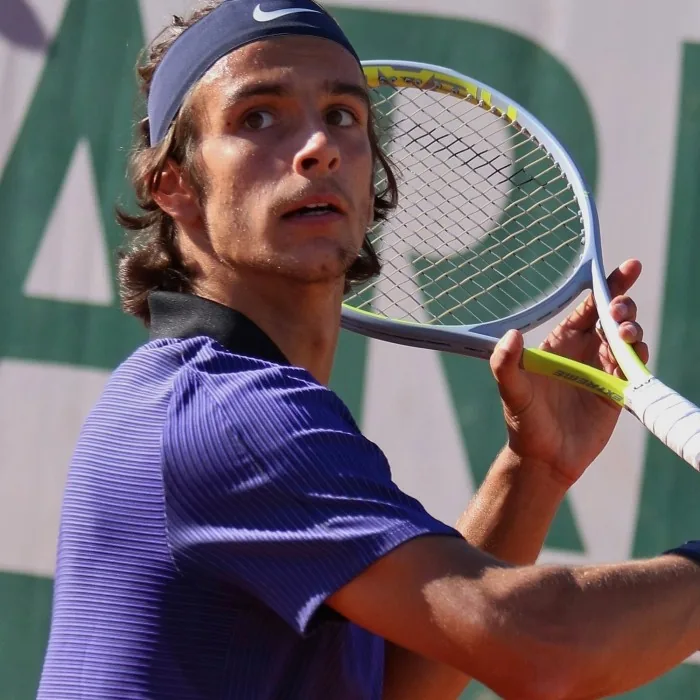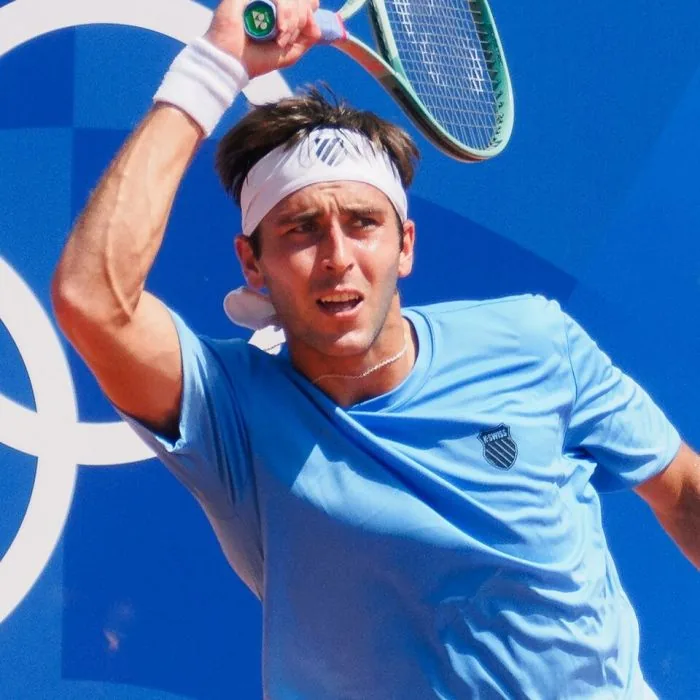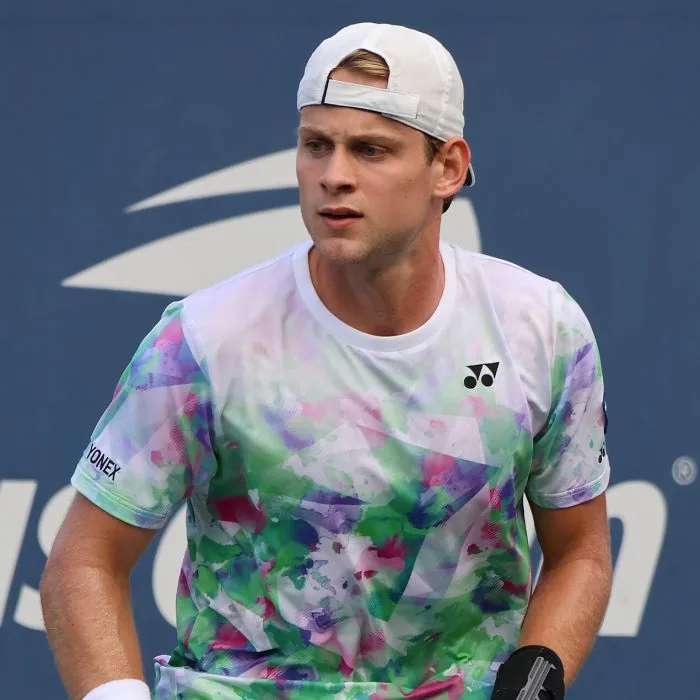



The Houston Clay Challenge: Analyzing Hijikata vs. Tiafoe
The ATP Houston tournament, the only top-level clay-court event in the United States, offers a unique environment that often defies traditional European clay expectations. As Rinky Hijikata prepares to face Frances Tiafoe, the narrative centers on whether tactical discipline can overcome raw power. While Tiafoe has historically thrived in front of American crowds, his recent form suggests a vulnerability that a disciplined counter-puncher like Hijikata is well-positioned to exploit.
Read more Tirante’s Clay Proficiency Meets McDonald’s Search for Form
Several key factors define the current state of this matchup:
- Surface Dynamics: Houston uses “Maroon Clay,” which plays faster and bounces higher than the red clay found in Roland Garros. This typically aids big servers, but it also rewards players with exceptional lateral movement.
- Tiafoe’s Recent Volatility: Over the last twelve months, Tiafoe has struggled with consistency, frequently dropping matches to opponents ranked outside the Top 50 due to high unforced error counts.
- Hijikata’s Physicality: The Australian has built a reputation for outlasting opponents in grueling three-set matches, a trait that becomes a primary weapon on clay.
Why Rinky Hijikata Holds the Analytical Advantage
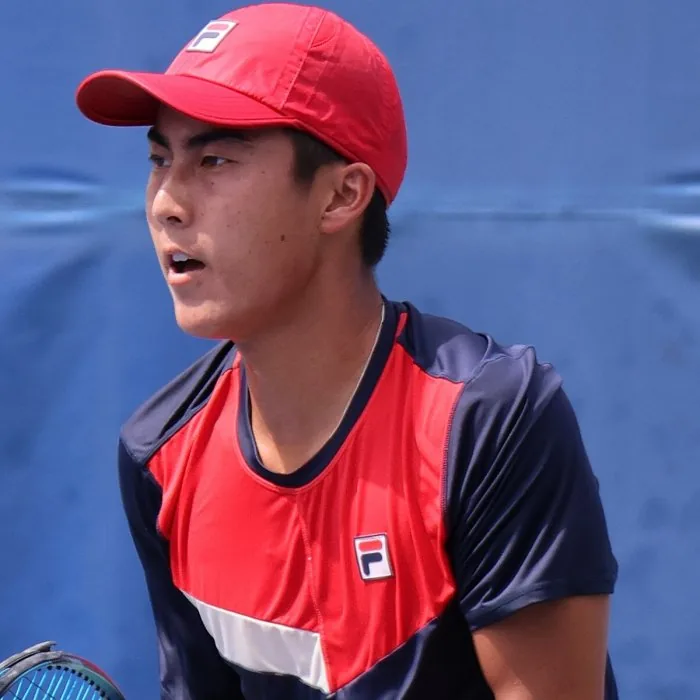
Why is Hijikata the focal point of this analysis? The answer lies in his defensive transition. Hijikata excels at absorbing pace and redirecting it, a strategy that directly counters Tiafoe’s aggressive but often erratic baseline game. In recent performances, Hijikata has shown a 15% improvement in points won behind his second serve, a critical metric on clay where rallies are extended. His ability to force Tiafoe into “one more shot” often leads to the American over-hitting, especially when the humidity in Houston makes the ball heavier and harder to control.
The Case for Tiafoe and Its Limitations
Frances Tiafoe remains a formidable opponent due to his explosive athleticism and a serve that can dictate play. He is a former champion in Houston, which gives him a psychological comfort level on these courts. However, this advantage is mitigated by his recent tendency to lose focus during mid-match lulls. If his first-serve percentage dips below 60%, he lacks the defensive patience to grind out points against a player as persistent as Hijikata. Tiafoe’s reliance on “showtime” shots often backfires on clay, where point construction is more valuable than highlight-reel winners.
Current market indicators show Hijikata with a coefficient of 3.65, while Tiafoe stands at 1.25. Despite the implied probabilities of 0.0% listed in early data, these figures highlight a significant gap between the established name and the rising challenger.
Read more Experience vs. Potential: Tommy Paul’s Tactical Edge Over Adolfo Daniel Vallejo in Houston
Key Factors and Uncertainties
The outcome will likely hinge on two primary triggers. First, the weather conditions in Houston: a damp court will favor Hijikata’s grinding style, while a dry, hot afternoon will give Tiafoe’s serve more bite. Second, Tiafoe’s mental approach in the opening four games will be telling. If he fails to secure an early break, frustration often sets in, playing right into Hijikata’s hands. The main uncertainty remains Hijikata’s lack of deep runs in clay-specific tournaments, though his hard-court grit often translates well to the American dirt.
Score Prediction: 2–1 in favor of Rinky Hijikata
This match is expected to be a battle of attrition. Tiafoe will likely use his home-court energy to claim a set, potentially via a tiebreak. However, Hijikata’s superior fitness and lower error rate should allow him to dominate the third set as Tiafoe’s intensity wanes. A 2–1 victory for the Australian reflects his ability to weather the initial storm and capitalize on the American’s inevitable lapses in concentration.
Read more Anna Bondar vs. Magdalena Frech: Clay Court Momentum Meets Physical Fatigue
Sources: