



Local Momentum vs. Tour Experience: The Marrakech Showdown
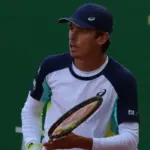
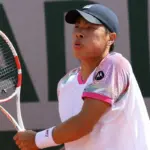
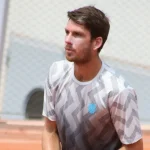
The upcoming clash at the Grand Prix Hassan II features a fascinating contrast between the rising Moroccan star Karim Bennani and the seasoned Frenchman Quentin Halys. While the rankings suggest a gap, the specific conditions of the Marrakech clay courts often act as a great equalizer, turning local wildcards into formidable opponents for established ATP regulars.
Read more Experience Meets Local Grit: Alex Martinez Favored Over Izan Almazan Valiente in Menorca
Karim Bennani enters this match as a focal point of Moroccan tennis aspirations. A standout in the ITF Junior rankings, Bennani has transitioned his game to suit the heavy, slow red clay of North Africa. His ability to endure long rallies and utilize high-topspin forehands is perfectly calibrated for the Marrakech environment. Historically, local players in this tournament benefit from intense crowd support that can disrupt the rhythm of visiting Europeans. Bennani’s recent form in regional clay events shows a player who is comfortable defending the baseline and waiting for the right moment to counter-punch.
What makes Bennani a situational favorite in this context? First, his physical adaptation to the heat and altitude of Marrakech is superior. Second, his game lacks the “flat” hitting style that often fails on this specific surface. Unlike many tour veterans who prefer the predictable bounce of European clay, Bennani thrives in the grittier, more variable conditions found in Morocco. His recent match statistics highlight a high percentage of points won on second-serve returns, a crucial metric on slow dirt.
Quentin Halys, while possessing a much higher ceiling in terms of raw power, often finds his primary weapons neutralized on slow clay. Halys relies heavily on a dominant first serve and quick points. On the Marrakech courts, the ball tends to sit up, allowing a mobile defender like Bennani to get more balls back into play. While Halys reached an ATP final on clay in Gstaad in 2024, that was at high altitude where the ball travels faster; the Moroccan conditions are significantly more sluggish, which works against his aggressive baseline play.
Read more Alexander Donski vs. Eric Vanshelboim: Power Dynamics on the Menorca Clay
Current market indicators show Bennani with a coefficient of 8.0 and Halys at 1.06, both reflecting a 0.0% probability in the early data stages. These figures serve as a baseline, though they often underestimate the “home court” volatility inherent in North African ATP events.
Several factors remain fluid. The weather forecast for late March in Marrakech can fluctuate, and a hotter day would favor Halys’s serve, while a damp, heavy afternoon would firmly swing the advantage to Bennani’s endurance-based game. Additionally, Halys’s recent transition from indoor hard courts to outdoor clay remains a question mark, as he often requires several matches to find his footing on the dirt.
Prediction: 2–1 in favor of Karim Bennani
Bennani is expected to drop the first set as he adjusts to Halys’s pace, but his superior conditioning and the vocal home crowd should allow him to grind out the following two sets. Halys’s frustration with the slow surface and Bennani’s defensive coverage will likely lead to an increase in unforced errors from the Frenchman as the match progresses.
Read more Dali Blanch’s Clay-Court Pedigree Set to Challenge Cesar Bouchelaghem in Menorca
Sources: