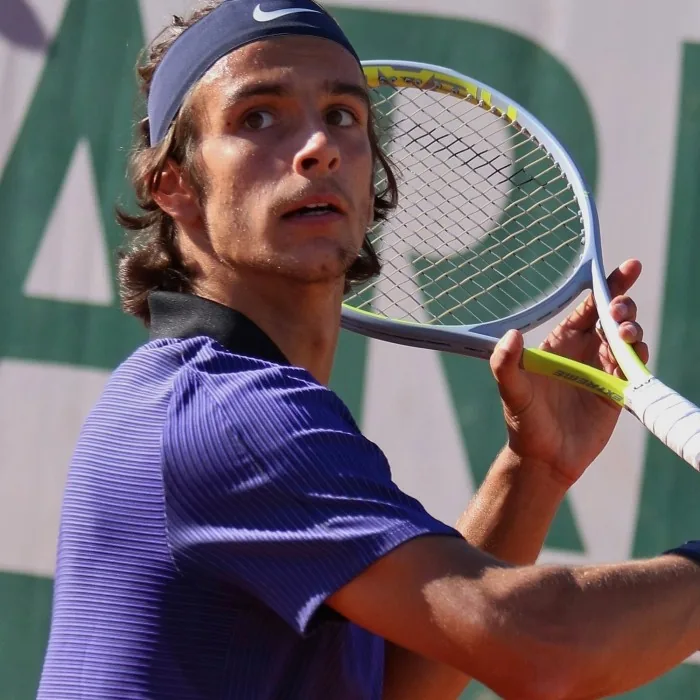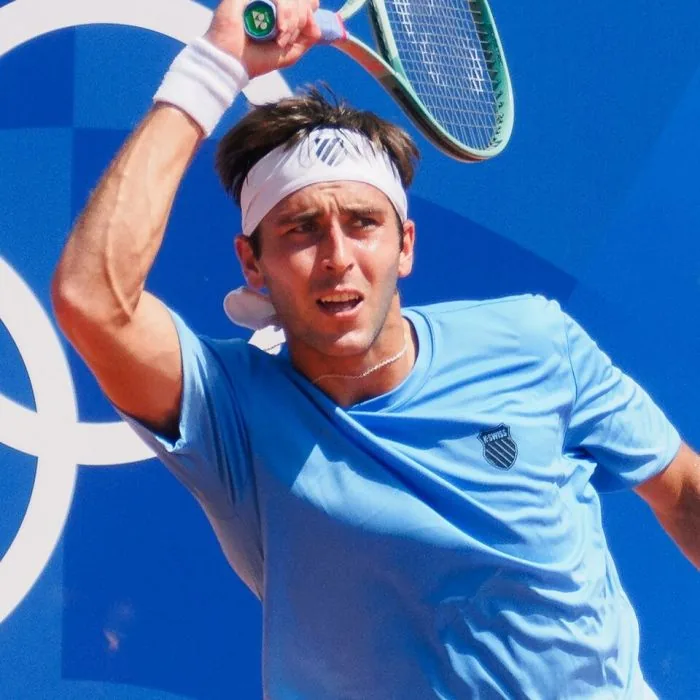







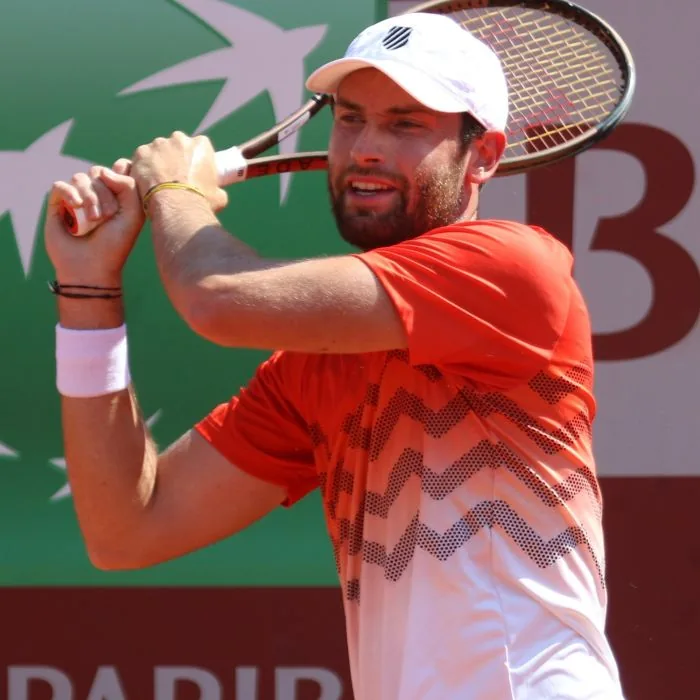
Match Context and Surface Dynamics
The Miami Open presents a unique challenge for power hitters like Quentin Halys. While the tournament is played on hard courts, the Laykold surface in Miami is known for being slightly slower and grittier than the courts in Indian Wells or the Australian Open. Combined with high humidity, these conditions favor players who can endure long rallies and maintain high defensive intensity. Kamil Majchrzak and Quentin Halys enter this match with contrasting styles, making the tactical battle more significant than their current rankings might suggest.
Read more Michelsen’s Hard-Court Efficiency Meets Tabilo’s Lefty Power in Miami
Why Kamil Majchrzak Holds the Edge
Kamil Majchrzak is the favorite in this matchup primarily due to his superior return game and baseline consistency. In recent months, Majchrzak has demonstrated a remarkable ability to neutralize big servers, winning approximately 28% of his return games on hard courts. His lateral movement allows him to stay in points that Halys would typically finish with a winner on faster indoor surfaces. Furthermore, Majchrzak’s recent form shows a 75% win rate in his last eight matches, indicating a high level of match fitness and confidence.
The Polish player’s backhand is his most reliable weapon, often used to redirect pace and force opponents into unforced errors. In the heat of Miami, Majchrzak’s physical conditioning often becomes a decisive factor in the second and third sets, where he historically maintains a higher first-serve percentage compared to his early-match performance.
The Challenge for Quentin Halys
Quentin Halys possesses the raw power to take the match away from any opponent. His game is built around a massive first serve, often exceeding 210 km/h, and an aggressive forehand. However, Halys faces two significant hurdles. First, his performance significantly dips when his first-serve percentage falls below 60%. Second, his movement on slower hard courts is less effective, making him vulnerable to Majchrzak’s tactical variety. While Halys can dominate short points, he often struggles when forced into extended exchanges, which are inevitable in the Florida climate.
Read more Victoria Mboko’s Hard-Court Power Faces Mirra Andreeva’s Tactical Depth
Key Indicators and Market Sentiment
Current performance indicators suggest a competitive but tilted matchup. Kamil Majchrzak carries a probability of 54.6% with a coefficient of 1.77. Conversely, Quentin Halys is positioned with a 45.4% probability and a coefficient of 2.11. These figures reflect the expectation that Majchrzak’s consistency will eventually wear down Halys’ high-risk, high-reward approach.
Factors That Could Shift the Outcome
Several variables remain uncertain and could alter the predicted trajectory of the match:
- First-Serve Percentage: If Halys maintains a first-serve rate above 70%, he could bypass Majchrzak’s defensive strengths entirely.
- Weather Conditions: Extreme wind or a sudden drop in temperature could favor Halys by speeding up the play.
- Physical Fatigue: Any signs of lingering fatigue from previous qualifying rounds could hamper Majchrzak’s defensive coverage.
Final Score Prediction: 2–1 in favor of Kamil Majchrzak
This score is anticipated because Halys is likely to secure at least one set—most probably via a tiebreak—using his dominant serve. However, as the match progresses into a third set, Majchrzak’s superior stamina and ability to exploit Halys’ declining movement in the heat should allow the Polish player to pull away and secure the victory.
Sources: