






Pinnington Jones vs. Darwin Blanch: Tactical Discipline Favored on Houston Clay
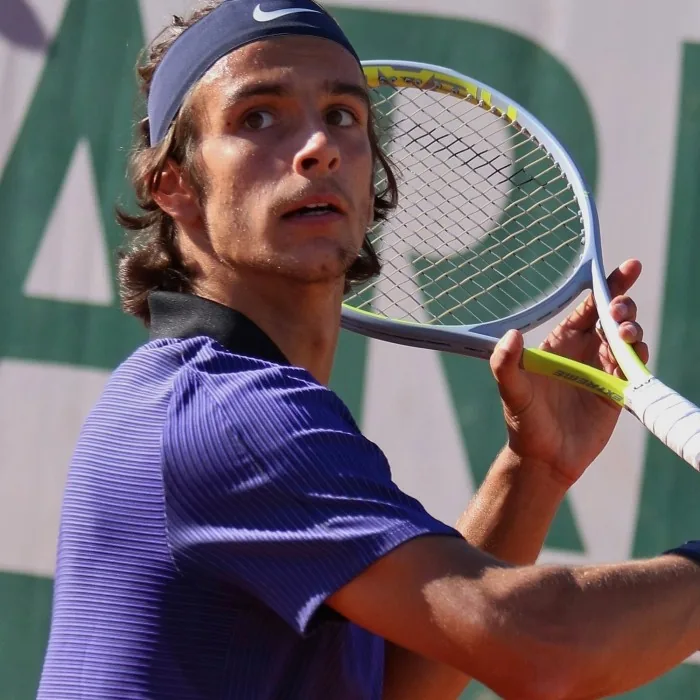
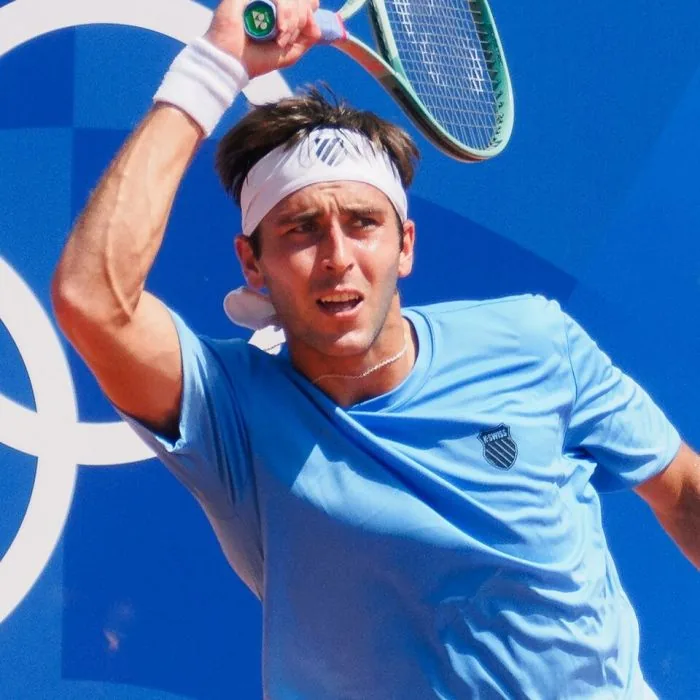
The upcoming clash at the ATP Houston event features an intriguing contrast between the disciplined, collegiate-honed game of Jack Pinnington Jones and the explosive, high-ceiling potential of young American Darwin Blanch. As the tour moves to the unique maroon clay of Texas, the conditions often favor players who can balance aggression with the physical stamina required for longer rallies. Pinnington Jones enters this matchup as the clear favorite, primarily due to his superior defensive consistency and tactical maturity.
Read more Experience vs. Youth: Jay Clarke Set to Dominate Gabriel Ghetu in Bucharest
Jack Pinnington Jones has successfully transitioned from a standout NCAA career at TCU to the professional circuit, bringing a level of physical conditioning that thrives in the humid Houston environment. His recent form shows a player who excels in extended baseline exchanges, rarely gifting points through unforced errors. In contrast, Darwin Blanch, while possessing a formidable left-handed serve and heavy groundstrokes, still struggles with the volatility typical of teenage prospects. Blanch’s performance often hinges on his first-serve percentage; when it drops, his defensive vulnerabilities on clay become apparent.
Why does the advantage lean toward Pinnington Jones? The answer lies in the surface and point construction. Houston’s clay is faster than traditional European red clay, which suits Pinnington Jones’ flatter ball-striking. He possesses the lateral movement necessary to neutralize Blanch’s wide serve—a weapon that usually troubles right-handers. Furthermore, Pinnington Jones has demonstrated a higher “tennis IQ” in pressure moments, opting for high-percentage shots while Blanch tends to go for low-probability winners when pushed behind the baseline.
The primary challenge for Blanch will be maintaining his intensity over two or three sets. While he can overpower opponents in short bursts, his error count tends to rise as matches progress. Pinnington Jones is likely to exploit this by targeting Blanch’s backhand wing and forcing the youngster into uncomfortable transition play at the net. For Blanch to cause an upset, he would need a near-perfect serving day and a significant reduction in his double-fault count, which has been a recurring issue in his recent outings.
Read more Kayla Day’s Tactical Edge and Left-Handed Advantage Against Yue Yuan
Current indicators reflect this gap in reliability, with Pinnington Jones carrying a 58.6% win probability and a coefficient of 1.59, while Blanch stands at 41.4% with a 2.18 coefficient. These figures underscore the expectation that consistency will triumph over raw power in this specific matchup.
Several factors could still shift the dynamic. The Texas heat and humidity can be a leveling factor, potentially draining the player who fails to manage their energy early on. Additionally, if Blanch finds his rhythm with his forehand early in the first set, he could force Pinnington Jones into a more defensive shell than he prefers. However, the most likely scenario remains a controlled performance from the Brit.
Score Prediction: 2–0 in favor of Jack Pinnington Jones
The rationale for a straight-sets victory is based on Pinnington Jones’ ability to extend rallies and frustrate Blanch. Blanch’s aggressive style is high-risk, and on the Houston clay, the ball bounces high enough for a disciplined retriever like Pinnington Jones to reset the point. Expect Pinnington Jones to break serve at least once in each set as Blanch’s consistency wavers under the pressure of long exchanges.
Read more Experience Gap Favors Kalinina in San Luis Potosi Clash Against Lazaro Garcia
Sources: